

Golden Forge is not a traditional retreat, gym, or therapy clinic. It is a veteran-led recovery and resilience environment built on a Colorado mountain ranch. Participants come here to rebuild strength, regulate the nervous system, reconnect with purpose, and return home with a clearer path forward.
A structured recovery environment for veterans, active-duty service members, and frontline professionals — combining physical training, trauma-informed healing, peer connection, outdoor immersion, and purposeful work on the land.
How Golden Forge Works

Who Golden Forge Is For
Golden Forge is designed for people who have served under pressure and are carrying the visible or invisible weight of that service.
OUR AUDIENCE
Service-Minded People in Recovery, Transition, or Rebuilding
Golden Forge serves veterans, active-duty service members, and frontline professionals exposed to high-stress or traumatic environments.
WHO WE SERVE
Veterans
Those navigating life after service, transition, grief, stress, or loss of mission.
First Responders
Firefighters, EMS professionals, and others repeatedly exposed to high-stress calls.
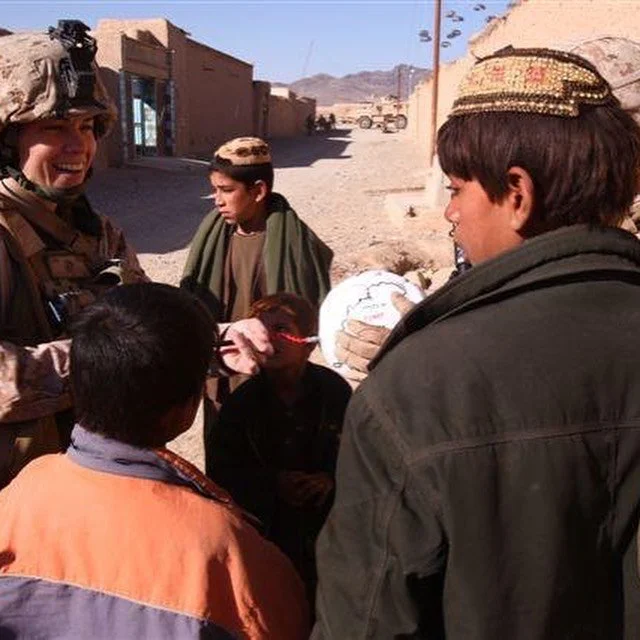
Active Duty
Service members preparing for transition, recovering from pressure, or seeking reset.
Frontline Members
Law enforcement, nurses, and high-stakes professionals carrying the cost of their work.
Participants do not need to have everything figured out. But they do need to be ready to engage — physically, emotionally, and relationally — in a structured environment built around responsibility, honesty, and growth.
Golden Forge brings small groups of service-minded people to a mountain ranch in Colorado for structured programs that combine movement, clinical support, nature, shared responsibility, and community.
What Actually Happens at Golden Forge
Participants train their bodies, work with trauma-informed practitioners, spend time outdoors, contribute to meaningful land-based projects, and reconnect with others who understand the weight of service.
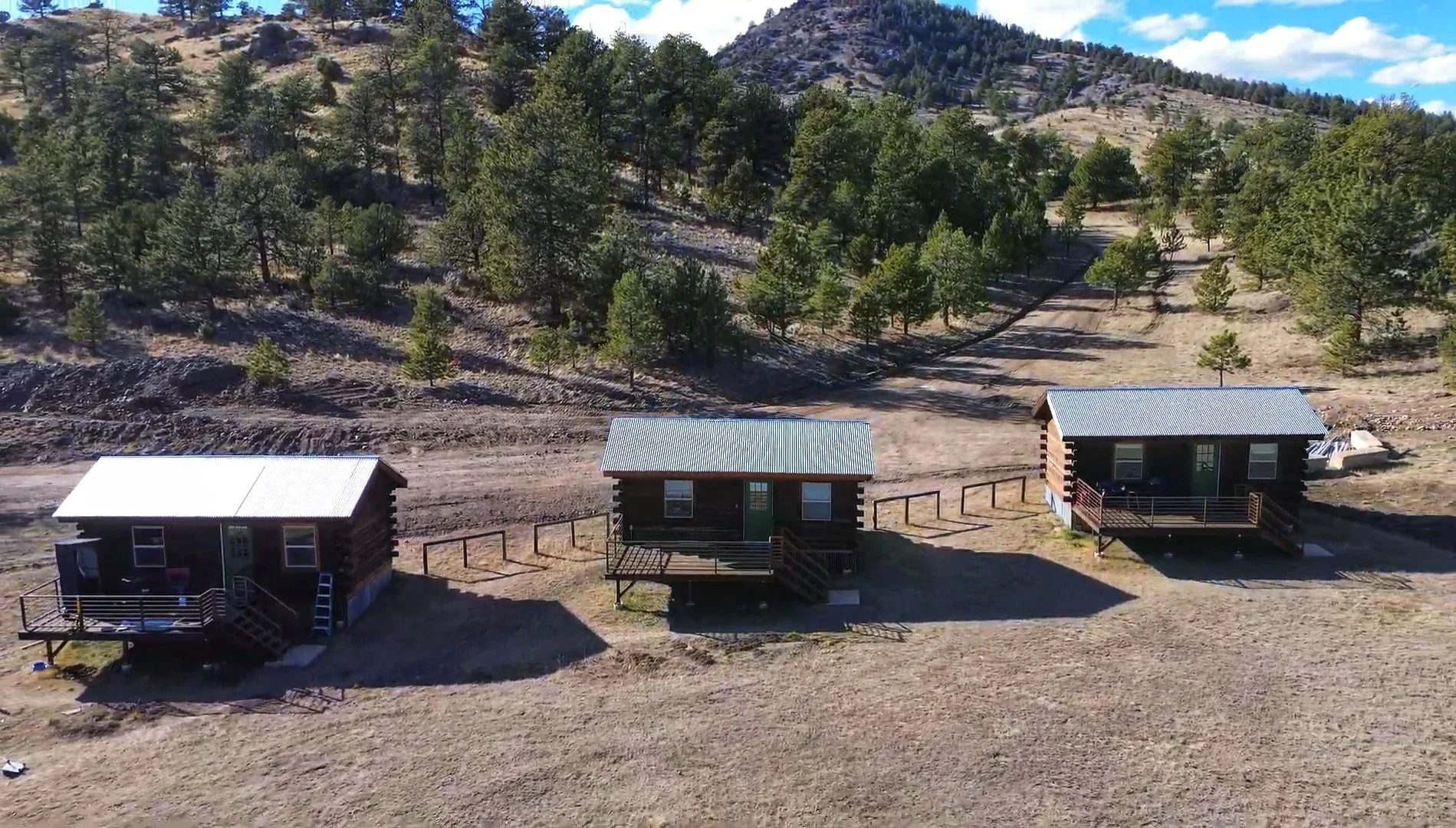
The goal is not escape. The goal is return — stronger, clearer, and better supported.
02
The Golden Forge Method
Five integrated practices that engage the whole person — not just the parts that talk.
01
Train the Body
Strength, movement, endurance, recovery, and physical challenge.
The body is often where stress, trauma, and disconnection show up first. At Golden Forge, physical training is not about performance for its own sake. It is a way to rebuild agency, discipline, confidence, and trust in oneself.
Participants may engage in strength training, mobility work, hiking, rucking, breathwork, recovery practices, and other forms of guided movement appropriate to the program.
Regulate the Nervous System
Trauma-informed practices for understanding and working with stress responses.
Many service members and frontline professionals spend years operating in high-alert states. Golden Forge helps participants learn practical tools for regulation, recovery, and integration.
Depending on the program, this may include facilitated group work, somatic practices, breathwork, mindfulness, psychoeducation, clinical support, and integration sessions led by qualified practitioners.
03
04
Restore Through the Land
Purposeful work, outdoor immersion, and stewardship.
Healing is not only something people talk about. It is something they practice.
At Golden Forge, the land is part of the program. Participants may help build trails, restore natural systems, care for shared spaces, complete ranch projects, or contribute to the long-term stewardship of the property. This work gives participants something concrete to do with their hands, their bodies, and their sense of responsibility.
Reconnect With Others
Small-group community, shared meals, honest conversation, and peer support.
Isolation is one of the most dangerous parts of post-service life. Golden Forge creates a structured environment where participants train, work, eat, reflect, and recover alongside others who understand what it means to serve.
The goal is not forced vulnerability. The goal is earned trust.
05
Return With a Plan
Integration, follow-up, and next steps after leaving the ranch.
A program only matters if it changes what happens after participants go home.
Before leaving Golden Forge, participants identify practical next steps: support systems, routines, referrals, physical practices, community connections, and personal commitments that help carry the work forward.
The Participant Journey
Before you arrive
Screening and preparation
Every participant begins with a screening process. This helps Golden Forge understand whether the program is appropriate, safe, and useful at that time.
Application or referral
Initial screening
Health and safety review
Program fit assessment
Logistics and preparation
Emergency contact and support planning
The ranch experience begins before arrival and continues after departure. Screening, structure, and integration protect the work.
While you are here
Structured life on the ranch
Life at Golden Forge is structured but not performative. Participants are expected to show up, participate, respect the group, care for the land, and engage honestly.
Physical training
Outdoor immersion
Facilitated group sessions
Trauma-informed practices
Land stewardship
Shared meals, reflection, rest, and recovery
After you leave
Integration and next steps
Leaving the ranch is not the end of the process. Golden Forge helps participants translate the experience into daily life through planning and continued connection.
Integration planning
Follow-up check-ins
Alumni connection
Referrals when needed
Ongoing practices
Community accountability
Frequently Asked Questions
-
Participants apply or are referred, complete screening, and are accepted based on program fit, readiness, safety, and available space.
-
No. Golden Forge is designed around lived experience, service, stress, transition, and recovery — not just diagnoses.
-
Participants should be willing to engage physically, but programs can be designed with appropriate scaling and modifications. Screening helps determine fit.
-
No. Golden Forge serves veterans, active-duty service members, first responders, and frontline professionals carrying the weight of service.
-
This depends on the program. Some programs may be participant-only; others may eventually include family or integration components.
-
Golden Forge is not a crisis service. If someone is in immediate danger, call 911, call or text 988, or go to the nearest emergency department.
-
Program funding may vary. Golden Forge should explain whether a specific program is scholarship-funded, donor-funded, self-pay, partner-sponsored, or mixed before participants commit.
-
Participants leave with an integration plan and may have access to follow-up support, alumni connection, or referrals.
-
Yes. If Golden Forge has an active referral pathway, organizations can begin a referral so the team can determine program fit and next steps.